
Extrusion Blow Molding
Plastic hollow bodies – without an expensive series tool
You need a functional plastic hollow body – but not yet large-scale series production?
With cost-effective prototype tools for blow-molded parts, we manufacture plastic hollow bodies for development, testing, pre-series and small series.
From a few sample parts up to quantities of approx. 2,000 components, you receive blow-molded plastic parts without having to invest in a tool designed for high series volumes.
Ideal for companies that are developing a new product, testing components or initially need a manageable quantity.
CAD data → prototype tool → first blow-molded parts → optimization → small series
Why build an expensive series tool if you initially only need 100 parts?
This is exactly the problem with many development projects.
The component is later to be produced by blow molding – but at the moment perhaps only 5, 20, 50, 100, 1,000 or 2,000 parts are needed.
A classic series tool can be unnecessarily complex and expensive at this stage. That is why we develop simplified and cost-efficient blow molds specifically for prototypes and small series.
The focus is not on maximum tool life for hundreds of thousands or millions of parts. The focus is on producing real blow-molded plastic parts quickly and economically.
This way, you initially invest only in what your project actually needs.
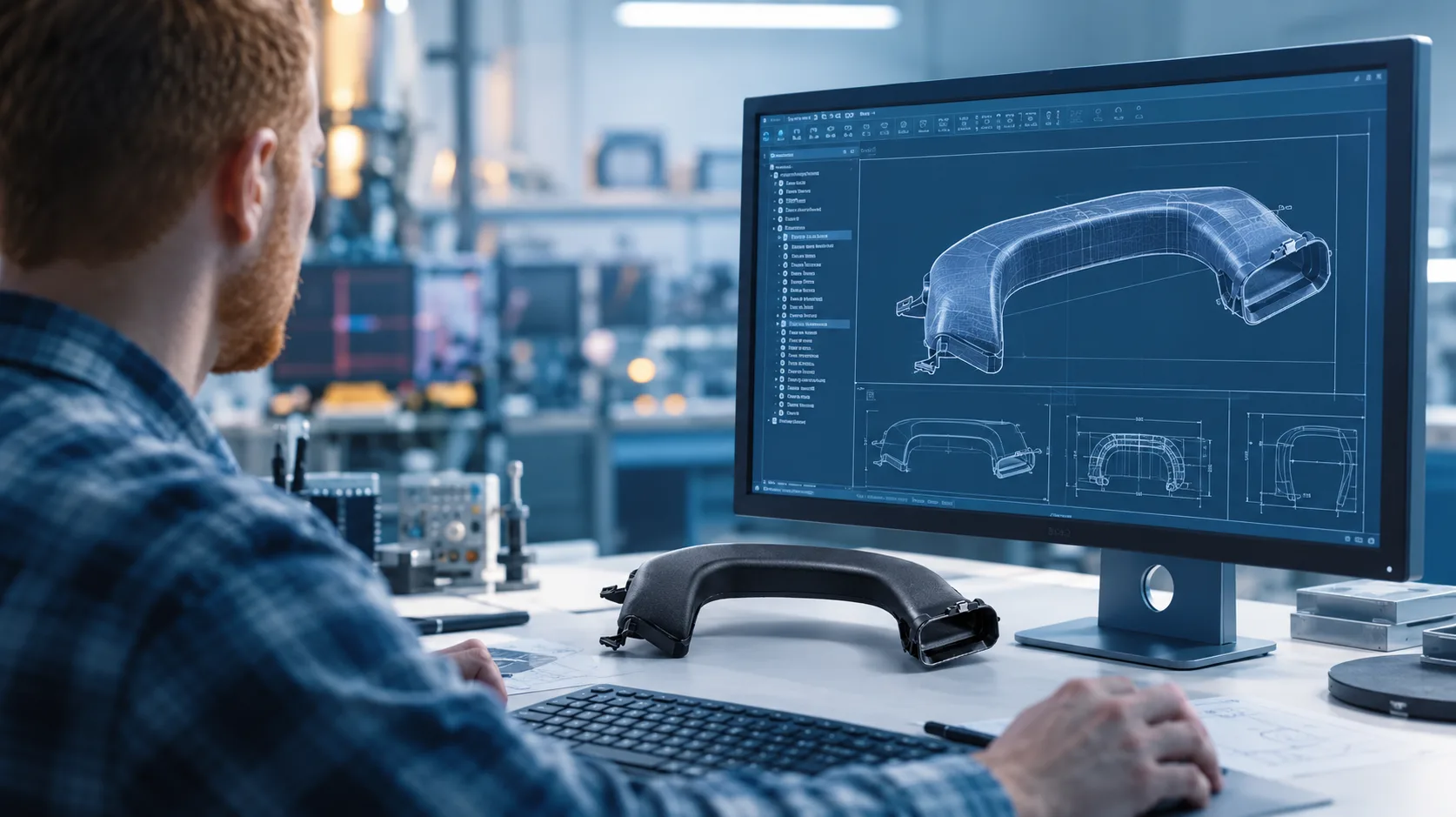
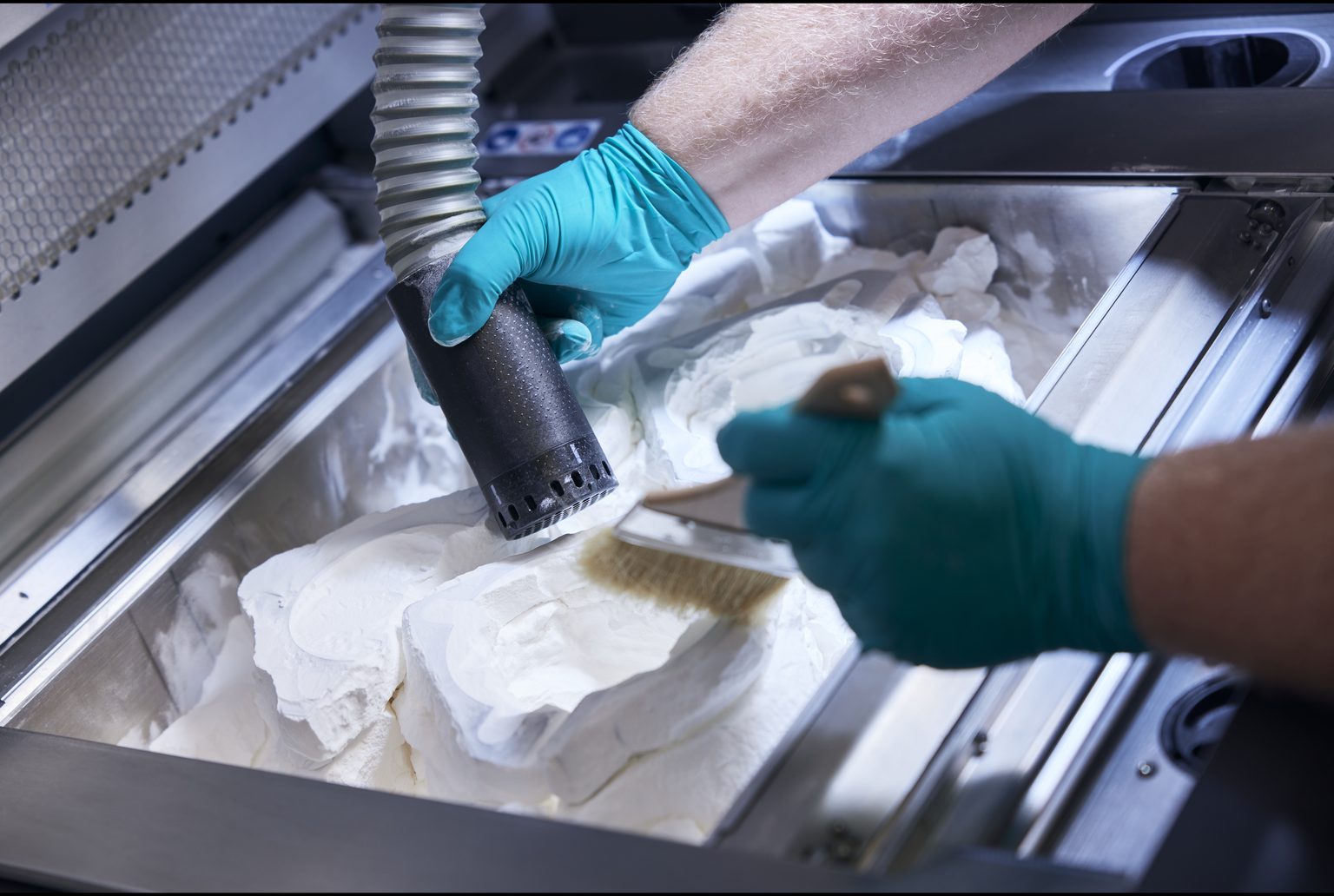
From 3D model to real blow-molded hollow body
3D printing is excellent for making geometries visible and tangible quickly. But at some point, a printed model is no longer enough.
For example, you want to:
- test the original material
- examine wall thicknesses
- carry out installation tests
- check connections and interfaces
- examine leak tightness
- carry out flow tests
- test mechanical properties
- carry out assembly tests
- supply customers with first series-like components
Then a blow-molded part made of thermoplastic may be the more sensible next development step.
With a cost-effective prototype blow mold, we close the gap between the first prototype and the later series component.
Producing plastic hollow bodies economically
Blow molding is particularly suitable for components that must be hollow inside and still be produced as a functional plastic part that is as light as possible.
Typical components include:
- containers
- reservoirs
- air ducts
- air channels
- pipe and line systems
- technical hollow bodies
- fluid containers
- housings with cavities
- intake components
- ventilation components
- complex three-dimensional hollow bodies
- technical blow-molded parts
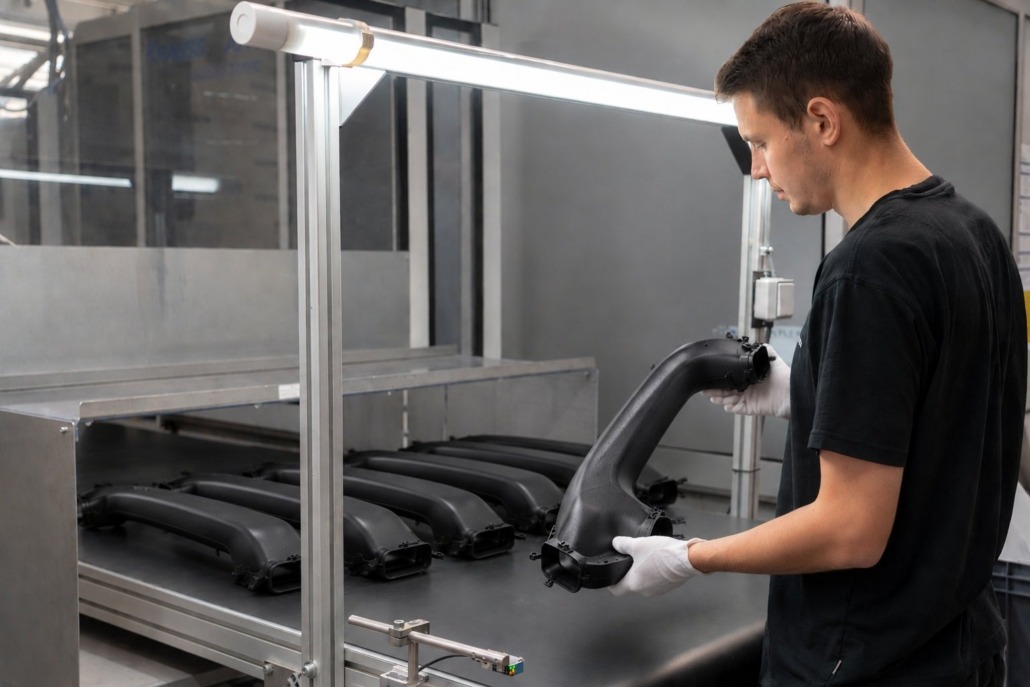
Blow-molded prototypes for numerous industries
The application is not limited to a single industry. Wherever a technical plastic hollow body is required, it is worth considering the blow molding process.
Automotive & Mobility
Air ducts, intake channels, fluid containers, technical tanks, ventilation components, lines, hollow bodies for thermal management and components for e-mobility.
Mechanical & Plant Engineering
Containers, air and media ducts, protective bodies, technical housings, reservoirs and special components.
Medical Technology & Laboratory
Technical containers, fluid reservoirs, housings, air ducts and functional hollow bodies. The specific suitability of material and process must be checked against the respective requirements.
Electrical & Electronics
Technical housings, air ducts, cooling and ventilation components, protective housings and functional hollow bodies.
Commercial Vehicles, Agriculture & Off-Highway
Tanks, reservoirs, air ducts, containers, technical channels and complex hollow bodies.
Consumer Goods & Technical Products
Blow molding can also be interesting outside classic industrial applications whenever a lightweight plastic hollow body that can be produced economically is required.
The decisive advantage: cost-effective prototype tools
A series tool is designed for high quantities, long tool life and optimized cycle times. For a development stage or a small series, this effort is often not yet necessary.
Our approach: we design the tool for your actual needs.
If you initially only need a few hundred components, the tool does not have to be designed for a series of millions. This can significantly reduce tooling effort and initial investment.
Ideal for:
- functional prototypes
- development stages
- test vehicles
- installation tests
- customer samples
- zero series
- pre-series
- small series
- spare parts
- special projects
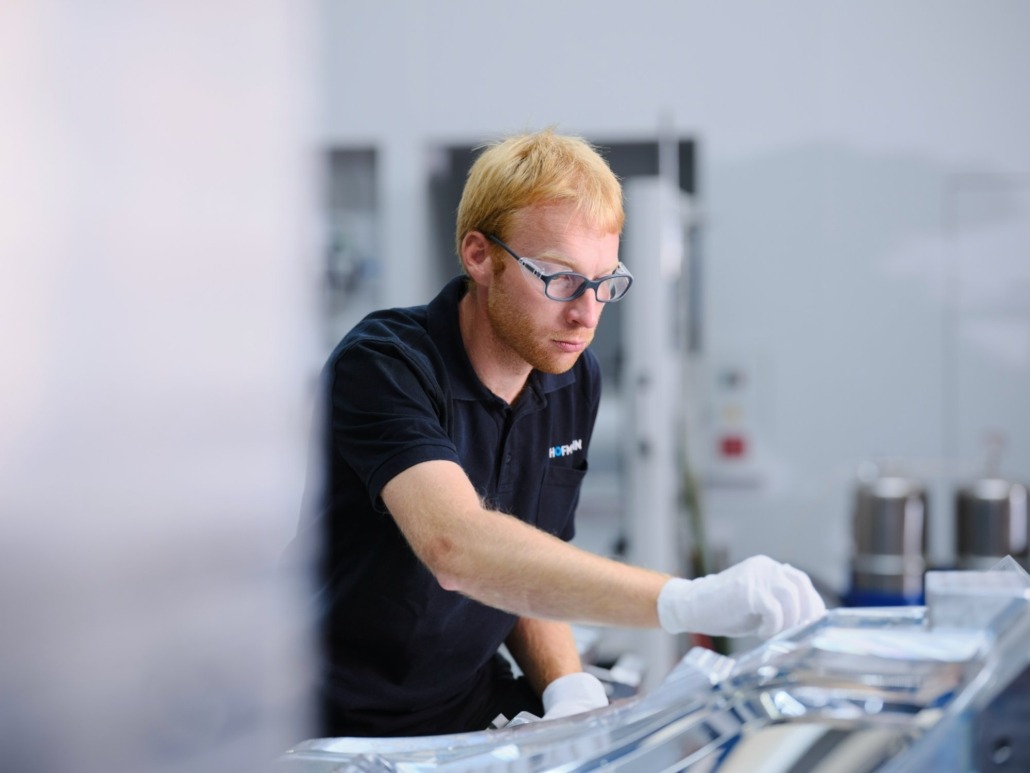
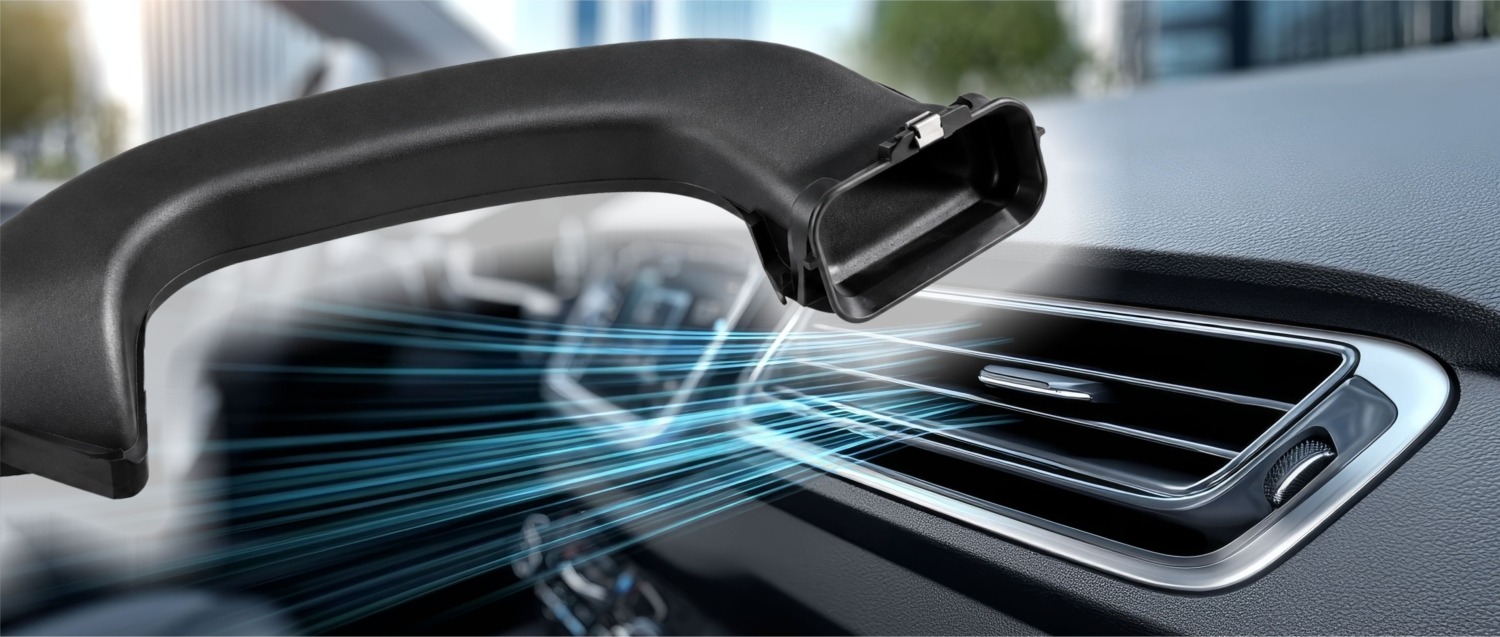
Small series instead of major investment – from a few parts to approx. 2,000 units
Not every product needs large-scale series production right away. Especially with new products, it often makes more sense to produce smaller quantities first.
- 10 units for initial functional tests
- 50 units for different test setups
- 100 units for field tests and customer samples
- 500 units for a pre-series
- 1,000 to 2,000 units for market launch or a small series
This allows you to use real components and gain experience at the same time before deciding on a larger investment in series production.
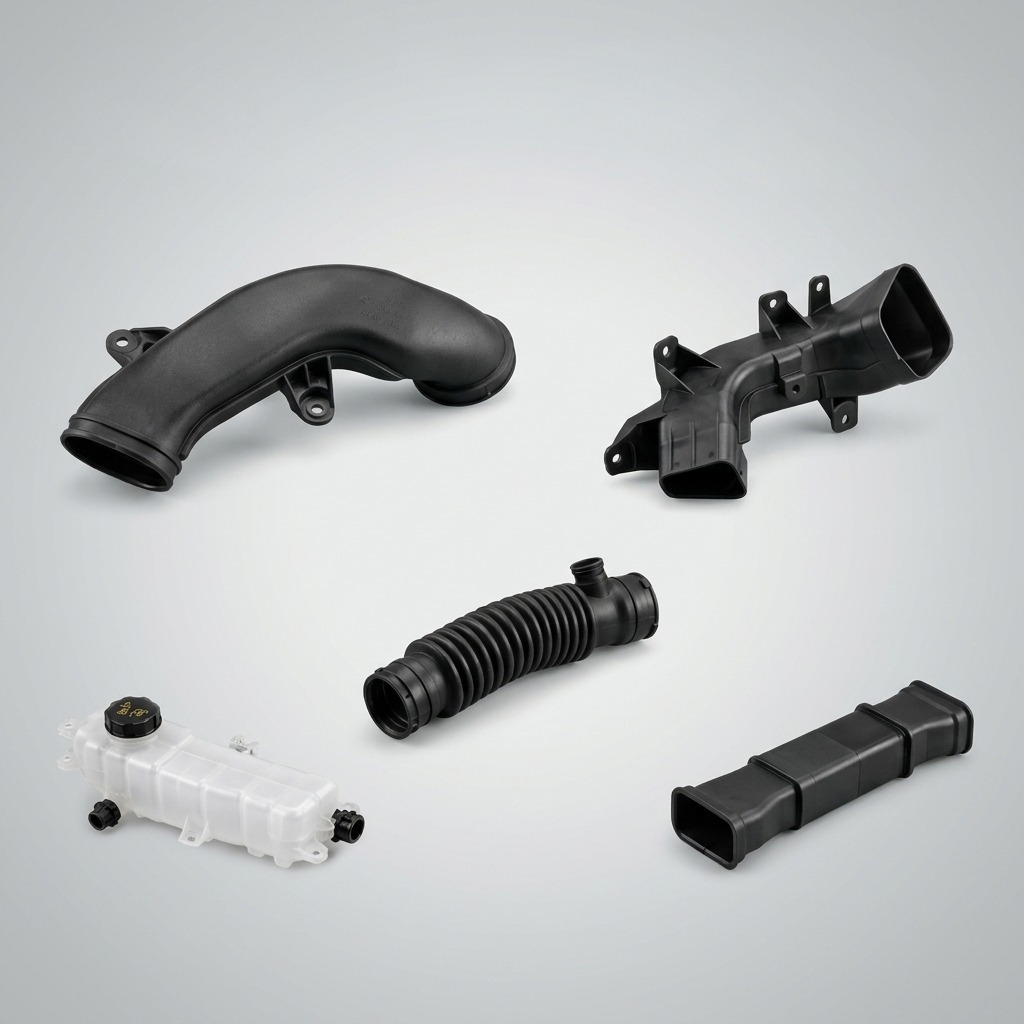
Changes to the component? Completely normal in the development phase.
Another advantage of a prototype tool: your product does not yet have to be fully developed.
New insights often arise, especially during testing. A connection has to be moved. A contour changes. An installation space becomes smaller. A wall thickness has to be adjusted.
That is exactly why the first tool concept should match the development phase. Our goal is to enable changes as economically as possible instead of investing unnecessarily large sums in a highly complex series tool right from the start.
Which plastics can be used in blow molding?
Various thermoplastics can be processed in extrusion blow molding.
Which material is suitable depends, among other things, on temperature, medium, mechanical load, rigidity, flexibility, leak tightness, weight, chemical resistance and the later application.
That is why we look not only at your CAD geometry, but also at the functional requirements of the component.
When is blow molding the right technology?
Not every hollow body necessarily has to be blow molded. Depending on quantity, geometry, material and requirements, other manufacturing processes may also make sense.
That is why a project with us does not start with the question: “How can we blow mold this part?”
But rather: “How can we produce this hollow body in a technically sensible and economical way for the required quantity?”
Especially for prototypes and small quantities, the right combination of tool concept and manufacturing process can have a significant impact on project costs.
Your path to a blow-molded prototype
- Send CAD data
You send us your 3D data, drawings or existing information about the component. - Check feasibility
We look at geometry, material, desired quantity and requirements. - Create tool concept
We develop a tool concept for your needs that is as simple and economical as possible. - Manufacture prototype tool
The tool is designed for the required quantity and project phase. - Produce first blow-molded parts
First real plastic hollow bodies are then manufactured and evaluated. - Optimize & produce small series
After successful sampling, further parts can be produced for tests, pre-series or small series.
You need a plastic hollow body, but not yet a series tool?
Then send us your component.
Together with you, we check:
Can the geometry be blow molded?
Which material is suitable?
How simply can the prototype tool be built?
What quantity do you really need?
How can we keep tooling costs as low as possible?
You will receive an assessment of which manufacturing route makes sense for your project. Send us your CAD data and have the feasibility checked.
Send us your NDA for signature in advance:
Send us your data directly by email:
Submit your data via the “TRUfusion” portal:
FAQ – Blow molding for prototypes and small series
Can blow-molded parts also be produced in small quantities?
Yes. With tool concepts designed specifically for prototypes and small series, blow-molded plastic parts can be economically attractive even in small quantities. Whether the process is suitable depends on geometry, material and the required quantity.
For which quantities are prototype blow molds of interest?
The approach is particularly interesting for prototypes, pre-series and small series – from a few sample parts up to quantities of around 2,000 components.
How much does a prototype blow mold cost?
Tooling costs depend heavily on the size, geometry, material, connections and complexity of the component. Unlike a tool designed for high series volumes, a prototype tool is specifically designed for the requirements and quantities of the development phase. This often allows tooling effort to be reduced significantly.
Which components are suitable for blow molding?
Typical applications are containers, tanks, reservoirs, air ducts, channels, lines and other technical plastic hollow bodies. The specific component geometry is decisive.
Are changes to the prototype tool possible?
Depending on the tool concept and the desired change, adjustments may be possible. Especially in development projects, tool planning should therefore take into account that a component may still change during the testing phase.
Can the prototypes be functionally tested?
This is one of the main reasons for producing blow-molded prototypes. Depending on material and application, the components can be used, for example, for installation, assembly, flow or other functional tests.
What is needed for an inquiry?
Ideally: 3D CAD data, desired quantity, preferred plastic (if known), requirements for the component and desired date. If not all information is available yet, the project can also be discussed on the basis of the current development status.
Always there for you
Contact & Service

Your contact person: Ulrich Haas
Senior Sales Manager
Mobility & Logistics / Consumer & Lifestyle
Phone: (+49) 9571 949 107
Email: ulrich.haas@r-hofmann.de