
Medical injection molding – and much more from a single source
Injection molding for medical technology places special demands on precision, material, tooling and process reliability. Plastic parts for medical technology must not only perform functionally, but also be manufactured reproducibly and reliably in series.
Robert Hofmann supports you from development through prototypes and toolmaking to the finished injection-molded part and assembly. We combine precision injection molding, toolmaking, prototyping, post-processing and assembly within one coordinated process chain.
Your advantage: fewer interfaces, short coordination paths and production that already keeps later series production in mind during development.
What matters in injection molding for medical technology?
For plastic components for medical devices, it is not enough to simply produce a part economically. Geometry, material, tool and manufacturing process must work together from the very beginning.
Typical requirements for medical devices include:
- tight tolerances and high dimensional accuracy
- reproducible component quality
- complex geometries with integrated functions
- demanding engineering plastics
- high demands on surface and function
- documented, traceable processes
- economical scaling from prototype to series production
That is why, in plastic injection molding for medical technology, we look not only at the individual component, but at the entire path from product development to stable series production.

From prototype to series production in medical injection molding
A working prototype is not yet a product ready for series production. Especially with medical devices, the industrialization phase determines whether a component can later be manufactured reliably, reproducibly and economically. That is why we support you early on with your manufacturing strategy – across the entire chain: development and co-engineering, prototyping, tool concept, toolmaking, injection molding, quality assurance and assembly.
Thanks to this end-to-end process chain, potential challenges can be identified and addressed before series production starts.
The goal: a component designed for injection molding, a reliable tool and a stable series process.
Precision injection molding for medical devices
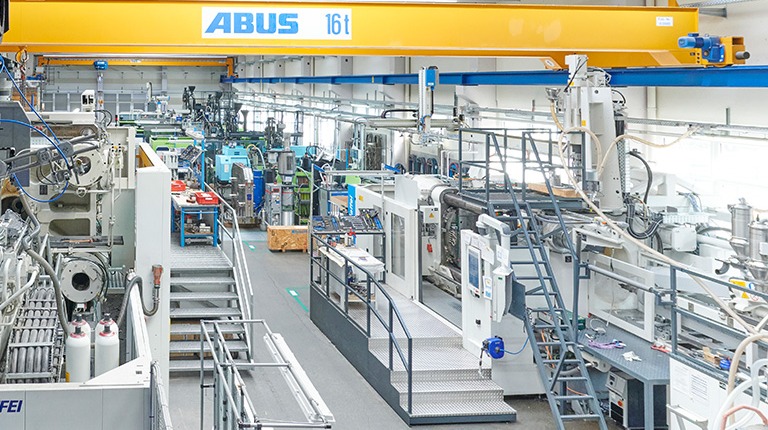
Our machinery with clamping forces from 50 to 1,600 tonnes enables the production of a wide range of plastic components – from small precision parts to larger technical components.
Depending on the application, we use single- or multi-cavity tools and various injection molding processes. More about our machinery and processes: our injection molding technology in detail.
The advantages for your medical application:
- high repeatability
- economical series production
- complex geometries
- high surface quality
- integration of multiple functions
- wide range of engineering plastics
- scalable production processes
This makes injection molding particularly suitable for medical applications that require consistent quality across larger quantities.
1K, 2K and 3K injection molding for medical technology
Not every medical plastic component consists of just one material. With our 1K, 2K and 3K injection molding, different materials, properties and functions can be combined within a single component.
This makes it possible, for example, to combine hard and soft areas, integrate sealing functions and ergonomic functional surfaces, combine different material properties, merge individual components into one part and reduce assembly steps.
Multi-component injection molding can therefore not only improve the function of a component, but also reduce the number of individual components and downstream assembly steps.
Toolmaking and medical injection molding from a single source
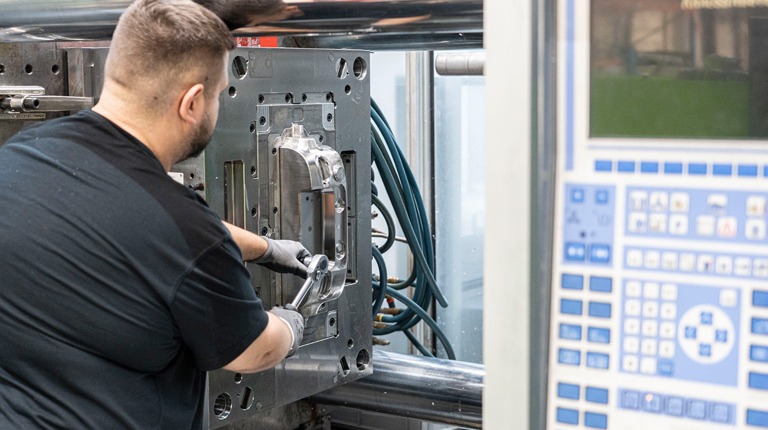
The quality of an injection-molded part begins with the tool. A reliable injection molding process requires a precisely designed tool.
That is why at Robert Hofmann we combine component development, toolmaking and injection molding within one coordinated process chain. Already during tool design, our specialists consider component geometry, material, tool concept, gate location, demolding, surface requirements, tolerances, planned quantities and later series production, among other things.
The result is not simply an injection mold, but a manufacturing solution tailored to your component and the planned production.
PEEK, PPSU and engineering plastics for medical applications
The choice of a suitable plastic depends heavily on the requirements of the respective component. In addition to classic engineering plastics, Robert Hofmann also processes demanding high-temperature materials such as PEEK and PPSU.
Such materials are particularly suitable when components are exposed to increased mechanical, thermal or functional requirements. That is why we consider material, component design and manufacturing process together during development.
Which medical components can be produced by injection molding?
Injection molding is suitable for numerous components in the field of medical & healthcare, for example:
- housings and covers
- technical functional parts
- brackets and connecting elements
- medical instruments
- components for medical devices
- components for diagnostic and analysis systems
- control elements
- multi-component parts
- components made of high-performance engineering plastics
- plastic assemblies
Which manufacturing strategy is best suited depends on geometry, material, quantity and the requirements of the later application. This is exactly why we take a technology-neutral look at your project.

Practical example:
How precise injection molding works in medical technology
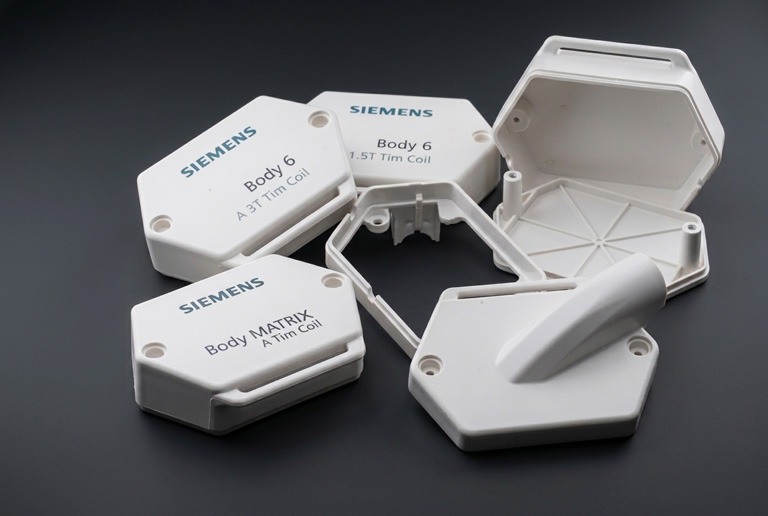
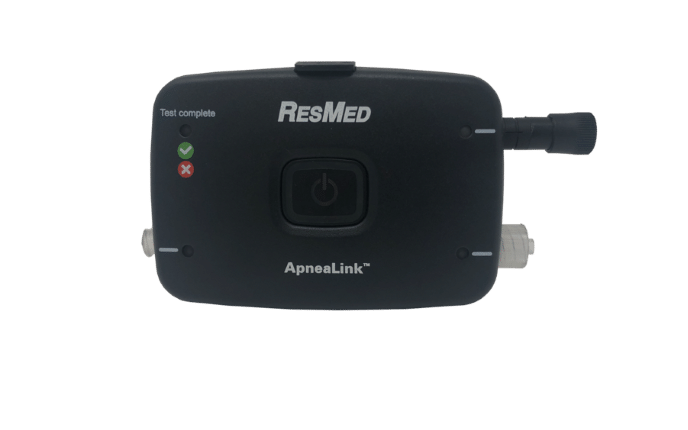
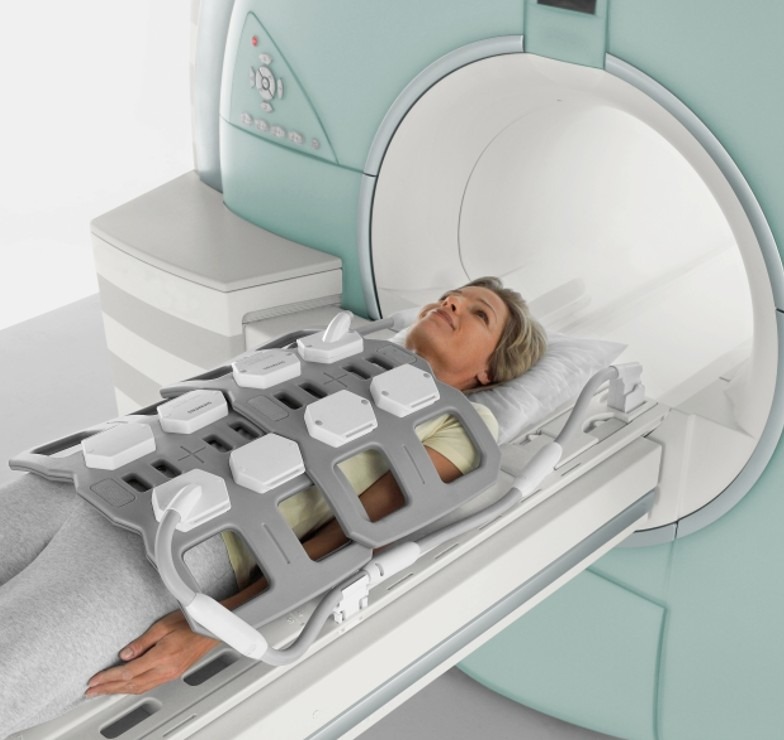
A concrete example from the medical & healthcare sector of Robert Hofmann GmbH is the case study on injection-molded components for MRI local coils for Siemens Healthineers. Our customer was looking for a reliable, long-term manufacturing partner for various plastic components that, among other things, protect the sensitive electronics inside the local coils. This example shows how the high demands of medical technology on dimensional accuracy, surface quality and reproducible component quality can be reliably transferred into series production with a durable tool concept and a precisely tuned injection molding process.
Quality and traceability in medical injection molding
For components for medical devices, controlled and traceable processes are an essential part of production.
Robert Hofmann is certified according to DIN EN ISO 13485. This means that defined quality management processes are available for medical & healthcare projects.
Depending on the project, these include defined manufacturing and inspection procedures, dimensional inspections, material testing, visual inspections, documentation and traceability along the process chain.
In this way, we combine our technical expertise in precision injection molding with the high quality requirements of medical technology.
Why Robert Hofmann for injection molding in medical technology?
In a medical project, it is not just the individual injection molding machine that matters. What really counts is how well development, tooling, material, production, quality assurance and assembly are interlinked.
Your advantages with Robert Hofmann:
- 1K, 2K and 3K injection molding
- machinery from 50 to 1,600 tonnes
- flexible tooling solutions – from cost-optimized tools to high-performance tools
- engineering plastics, PEEK and PPSU
- prototyping, pre-series and series production
- in-house finishing and surface treatment
- assembly from a single source
- quality management according to DIN EN ISO 13485
- documentation and traceability
- technology-neutral advice instead of process-centric thinking
Are you developing a plastic component for a medical device?
Then we should talk about later production as early as possible.
Together with you, our experts check:
Is my component designed for injection molding?
Which tool concept is suitable for the planned quantity?
Which plastic is suitable for the application?
Is 1K, 2K or 3K injection molding the right solution?
How can the product be manufactured reliably and economically in series?
Send us your inquiry or your CAD data. Together we will determine the right path from component to series production.
Send us your NDA for signature in advance:
Send us your data directly by email:
Submit your data via the “TRUfusion” portal:
FAQ on injection molding for medical technology
What is particularly important in injection molding for medical technology?
For medical plastic parts, precision, reproducible quality, suitable materials and controlled, traceable manufacturing processes play an important role. That is why the component, tool, material and later series process should be considered together during development.
Which plastics can be processed in medical injection molding?
The choice of plastic depends on the mechanical, thermal and functional requirements of the component. Robert Hofmann processes various engineering plastics as well as demanding high-temperature materials such as PEEK and PPSU.
Does Robert Hofmann offer 2K and 3K injection molding?
Yes. In addition to classic 1K injection molding, Robert Hofmann also offers 2K and 3K injection molding. This allows different materials and functions to be combined directly in one component – without additional manufacturing steps.
Does Robert Hofmann also handle toolmaking?
Yes. Tool development and toolmaking are part of our range of services. This allows the component, tool and later injection molding process to be coordinated at an early stage.
Are prototypes possible before the series tool?
Yes. Robert Hofmann offers various prototyping and manufacturing processes. This allows components to be functionally tested and specifically further developed before series production, saving time and costs.
Can Robert Hofmann provide support during product development?
Yes. Thanks to our own development office, we can provide support in every development phase or take over individual development tasks completely. We advise in a technology-neutral way to ensure that the requirements of later production are already taken into account during component development.
Can complete assemblies for medical devices be supplied?
Yes. In addition to manufacturing individual plastic parts, Robert Hofmann also offers post-processing, surface finishing and assembly.
Always there for you
Contact & Service

Your contact person: Maxime Cerulus
Director Business Development
Medical & Healthcare
Phone: (+49) 9571 949 114
Email: maxime.cerulus@r-hofmann.de